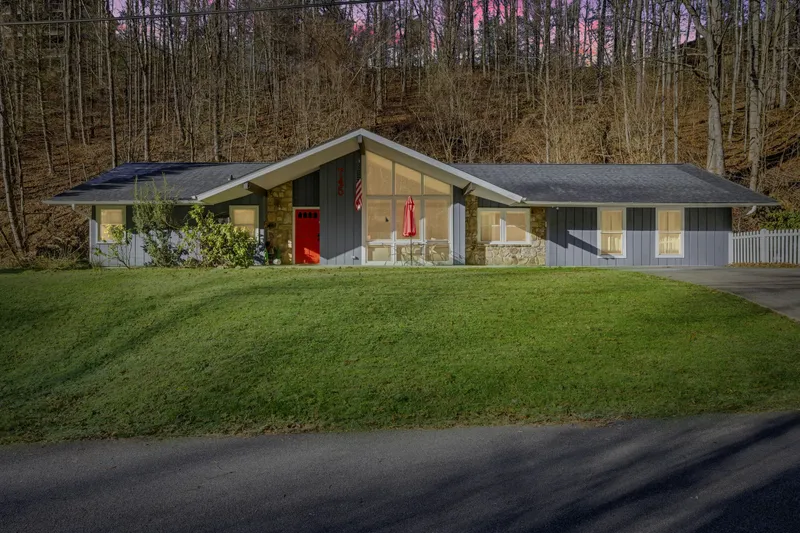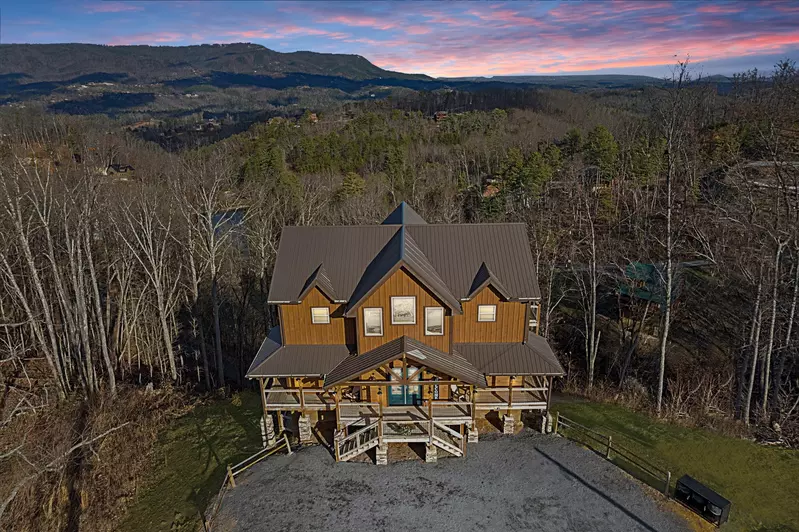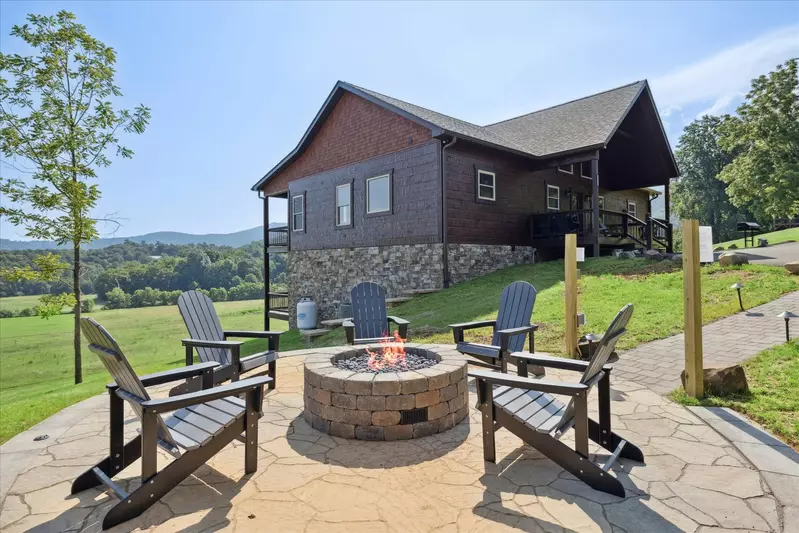

Are you interested in purchasing a Smoky Mountain cabin? Whether you’re going to be a first-time cabin owner or already own properties in the area, buying a cabin in the Smoky Mountains can be an exciting investment. However, it’s important to make sure the numbers behind the purchase are realistic before making any final decisions. One of the biggest mistakes prospective buyers make is paying too much due to inflated rental revenue projections. We’re here to help you protect your investment! Here’s how to avoid overpaying for a Smoky Mountain cabin based on inflated numbers:
Look Beyond Projected Revenue
We know it can be easy to focus on a projected annual income number when looking to buy a Smoky Mountain cabin. However, it’s important to understand that those projections are not guarantees. You’ll want to ask how that number was calculated and what assumptions were used. Instead of basing your decision on projections, you should look for historical rental performance and compare it with similar properties in the market.
Ask for Performance Data

Reviewing a property’s actual rental history is a great way to help you evaluate a cabin. You should ask for detailed statements that show gross rental revenue, occupancy, average daily rate, and booking activity. You should also consider how it performs throughout different seasons. For example, a cabin that generates strong revenue during a busier season, like summer, may have significantly lower occupancy during the slower months. If you understand how the rental performs throughout the year, you can better determine whether the asking price for the cabin makes sense.
Compare Similar Cabins
You shouldn’t look at just one property and its projections before making a decision. To avoid overpaying for a Smoky Mountain cabin, you should compare it with other cabin rentals in the area with similar features, locations, bedroom counts, amenities, and guest appeal. For example, if you’re purchasing a cabin with a theater room and a hot tub, then you should compare it with another cabin with a theater room and a hot tub. Comparing properties with different amenities can make the numbers much more attractive than they actually are.
Do Your Own Calculations

If you don’t know how to run your own financial analysis, you should learn before purchasing a cabin in the Smoky Mountains. You’ll want to consider a realistic rental income, along with property taxes, insurance, utilities, maintenance, housekeeping, management fees, and other operating expenses. You want to make sure your investment makes sense. Be sure to test different scenarios as well, like what happens if your cabin needs an expensive repair or if occupancy is lower than projected. All these factors should help you determine if the asking price for a cabin is too high.
Be Careful with Projections
While projections can give you an idea on if a Smoky Mountain cabin is right for you, owners should still ask questions about how those numbers were developed. What seems like a high projection during the buying process may lead to overpaying for the property. Before you purchase a cabin, make sure you understand the difference between a sales projection and actual performance. For more details, read our blog, “The Truth About Inflated Revenue Projections in Cabin Sales and Management Pitches.”