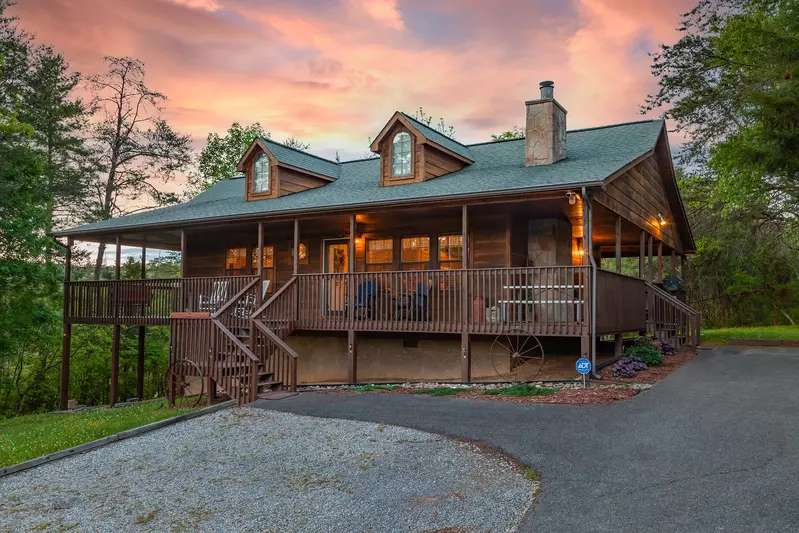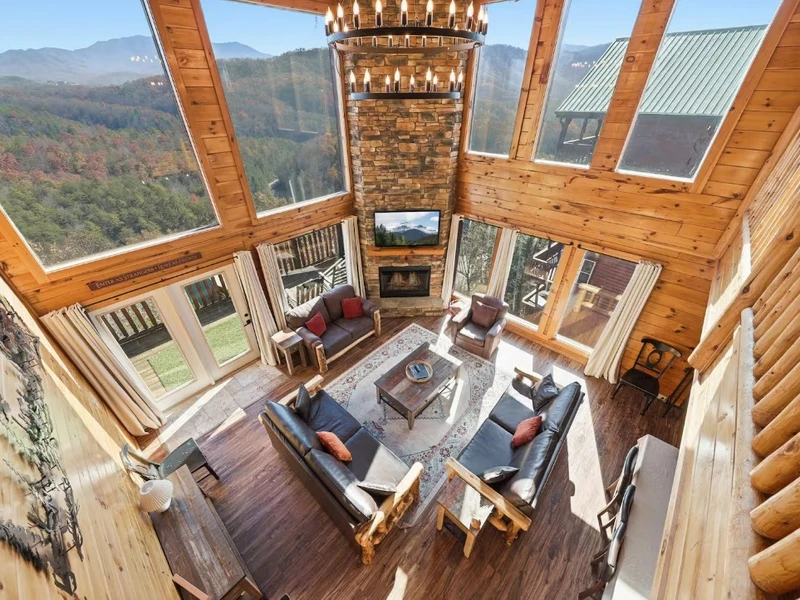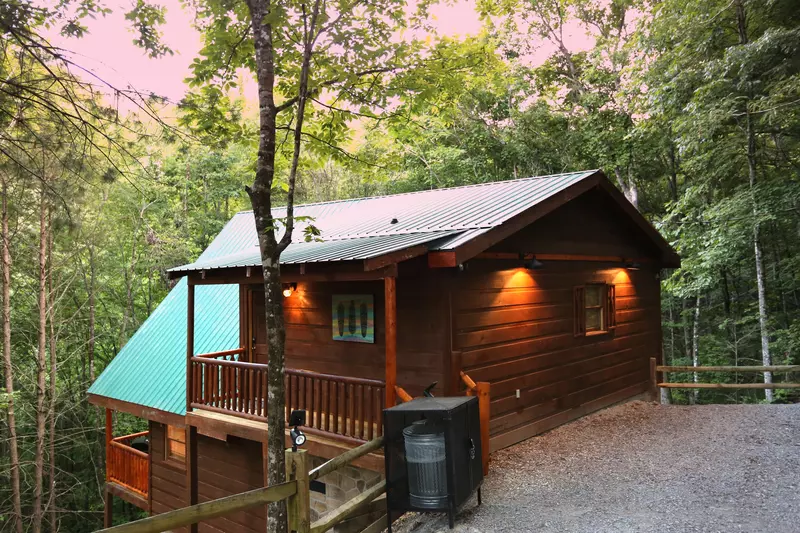

Do you own, or are you considering buying a cabin in the Smoky Mountains? If the answer’s yes, then we’re sure you’ve seen a revenue projection that promises an impressive annual income. Before you use that number to make an investment decision, you need to understand what’s actually behind the projection. A revenue projection can be a helpful tool when evaluating a Smoky Mountain cabin, but it’s not a guarantee. The best cabin owners look beyond the number and understand the assumptions, expenses, occupancy expectations, and market factors that influence projected revenue. Keep reading to find out how to read cabin revenue projections like a pro:
1. Start with Gross Revenue
When looking at a revenue projection, the first number you’ll most likely notice is the projected gross rental revenue. This is the total amount of rental income a property is expected to generate before expenses. The gross revenue should be your starting point. Once you have that number, you need to understand how much of that will go toward maintenance, utilities, insurance, and other operating fees and expenses. It’s important to understand that the gross revenue is not your take-home income.
2. Look at Occupancy

One of the biggest factors that affects a cabin’s revenue projection is occupancy. Revenue projections oftentimes assume a property will be booked for a certain percentage of available nights each year. If the projection assumes a high occupancy, you should ask whether that number is realistic based on the cabin’s location, size, amenities, and seasonality. Although the Smoky Mountains are a year-round destination, demand can vary throughout the year. A revenue projection should account for seasonal fluctuations rather than assuming the cabin will perform the same each month.
3. Understand the Average Daily Rate
Average Daily Rate, or ADR, tells you about how much guests are expected to pay per night. A high nightly rate can increase revenue, but only if guests are willing to pay the price. You’ll need to look at both ADR and occupancy together. For example, a cabin that charges $500 per night might look good on paper, but it may generate less annual revenue than a cabin with a lower nightly rate and a higher occupancy.
4. Ask What Properties Were Used to Compare
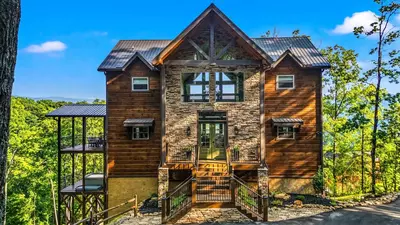
To read revenue projections like a pro, you’ll need to know what questions to ask, like where the numbers came from. A revenue projection should be based on comparable properties in the same area. Factors that influence revenue include number of bedrooms and bathrooms, views and location, amenities, property condition, guest capacity, and more. To guarantee you don’t get an unrealistic expectation for projected revenue, you’ll want to be sure you’re comparing the property with others with similar characteristics and looking at their historical performance.
5. Separate Revenue from Expenses
When you read a revenue projection, it’s important to understand that it only tells one part of the story. To determine the potential profit, you’ll need to look at expenses. Consider costs, such as:
- Property management fees
- Cleaning and housekeeping
- Maintenance and repairs
- Utilities
- Insurance
- Property taxes
- Supplies and replacement items
- Marketing and booking costs
- Mortgage and financing expenses
If you generate the same revenue as another cabin but have high operating costs, you’ll have a lower profit.
6. Projections Are a Starting Point

You should treat revenue projections as a starting point, not as a promise. They’re made to help you evaluate a potential investment, but that doesn’t mean they’re a guaranteed income. You need to understand that the market changes, competition changes, and guest preferences change. Experienced Smoky Mountain cabin owners look at actual performance after the property is operating. Ask what a cabin is actually making and why instead of what a cabin could make.
7. Look for Real-Time Transparency
Once you own a Smoky Mountain cabin, having access to the information is just as important as the original revenue projection. That’s why at Summit Cabin Rentals, we make sure each of our owners has a clear picture and understanding of how their properties are performing. We have an owner dashboard that provides real-time access to bookings, revenue, maintenance notes, and guest reviews, so you never have to guess how your cabin is doing. This allows you to see what’s actually happening with your investment, not what’s projected to happen.
Partner with Summit Cabin Rentals
Are you ready to move beyond projections and get a clear view of your Smoky Mountain cabin’s performance? Partner with Summit Cabin Rentals today for full-service property management, transparent reporting, and more.